Skip to content
newlogo t
  • Home
  • Reflections
  • Influences
  • Podcast
  • Thematic Guide
  • About
  • Calendar
Search
newlogo t
  • Home
  • Reflections
  • Influences
  • Podcast
  • Thematic Guide
  • About
  • Calendar
intothelivingwaters

Into the Living Waters

1 Comment / Under the Lectionary / Eliyahu (נר הדרשן)

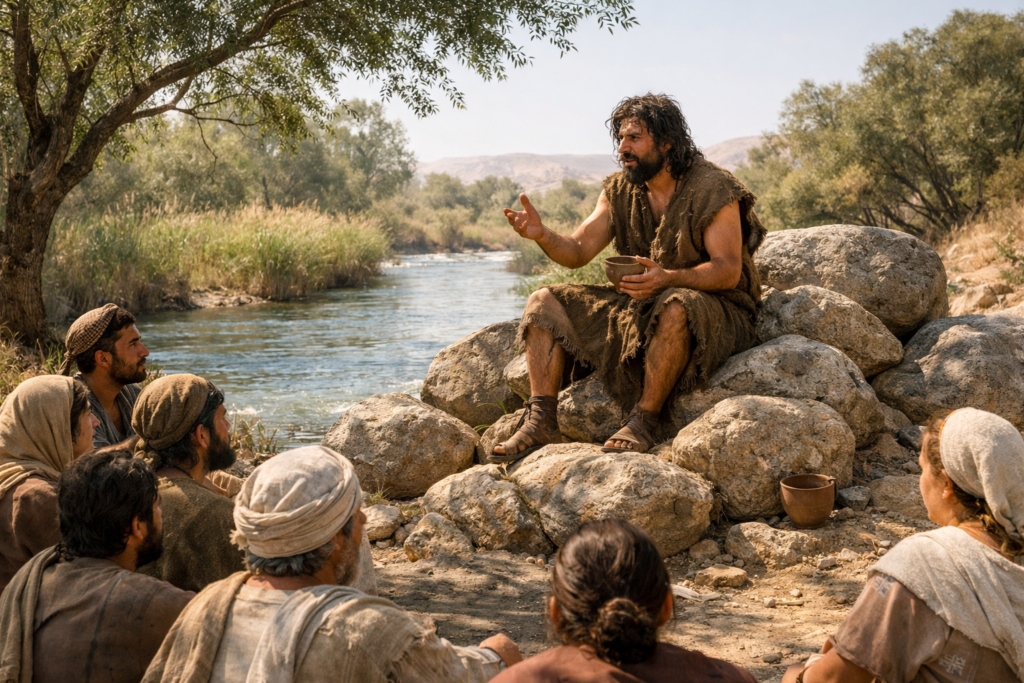
He comes from Galilee to the Jordan, and John tries to refuse him, recognizing the imbalance. Jesus insists. He steps into water that moves, carries, resists, and cannot be mastered, taking the same path everyone else was told to walk. The heavens open after the refusal of privilege, not before.

Into the Living Waters Read More »
parashatshemot

Parashat Shemot

1 Comment / From the Scroll / Eliyahu (נר הדרשן)

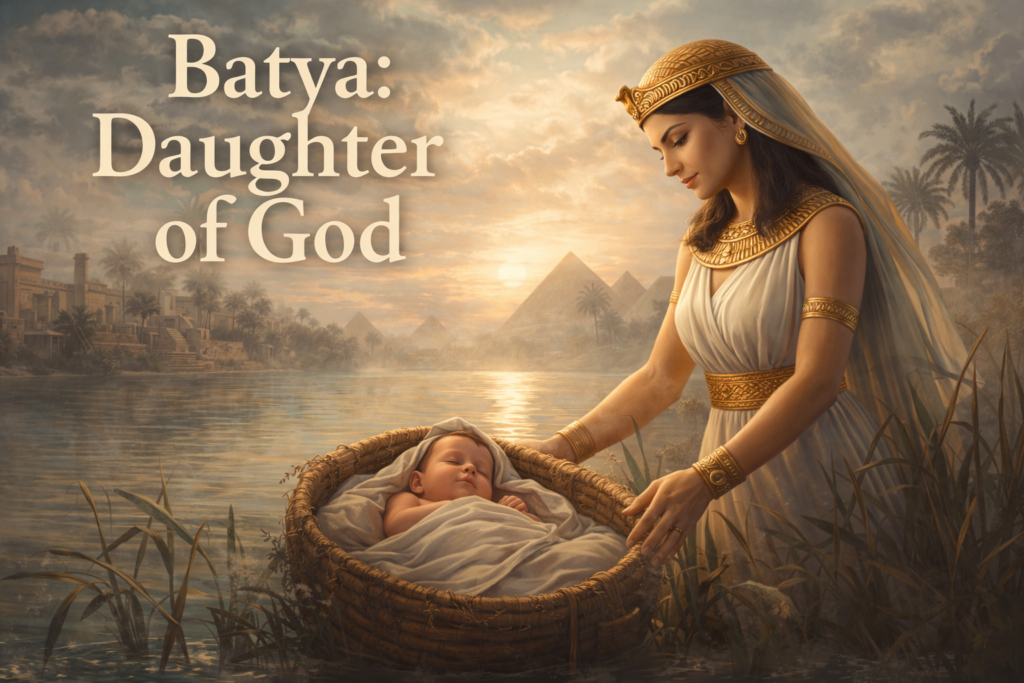
Redemption is usually dated to the first plague, or to Sinai. It begins earlier, with a woman Torah never names. Pharaoh’s daughter comes to the river to bathe—using the verb reserved elsewhere for ritual washing—and reaches for a basket she knows full well holds a Hebrew child.

Parashat Shemot Read More »

teshuvah

Return (Teshuvah)

Leave a Comment / Reflections in the Well / Eliyahu (נר הדרשן)

Every durable belief system has to answer one uncomfortable question: what do we do about what is broken? The labels change—sin, karma, trauma, ignorance—but the problem does not. A system without redemption is not a worldview. It is a diagnosis with no treatment plan.

Return (Teshuvah) Read More »

turningoftheyear

On the Turning of the Year

Leave a Comment / The Lampstand / Eliyahu (נר הדרשן)

Auld Lang Syne is not a celebration song. It is a ritual of recognition—shared history acknowledged, time passed, bonds that held across distance and change without anyone pretending it cost nothing. It is sung as often at funerals and farewells as at midnight, and for the same reason.

On the Turning of the Year Read More »

onthenatureofis

On the Nature of “IS”

Leave a Comment / Reflections in the Well / Eliyahu (נר הדרשן)

Nearly everyone agrees that reality exists. Almost no one agrees on what it is. Plato put it elsewhere, Aristotle put it right here, Kant split it in two, the existentialists said it is what you make of it. None of them produced a map. What they produced was a posture.

On the Nature of “IS” Read More »

5df0908d b0b1 44cb a12e 74f80288d5fb

Season’s Greetings…

Leave a Comment / Sparks / Eliyahu (נר הדרשן)

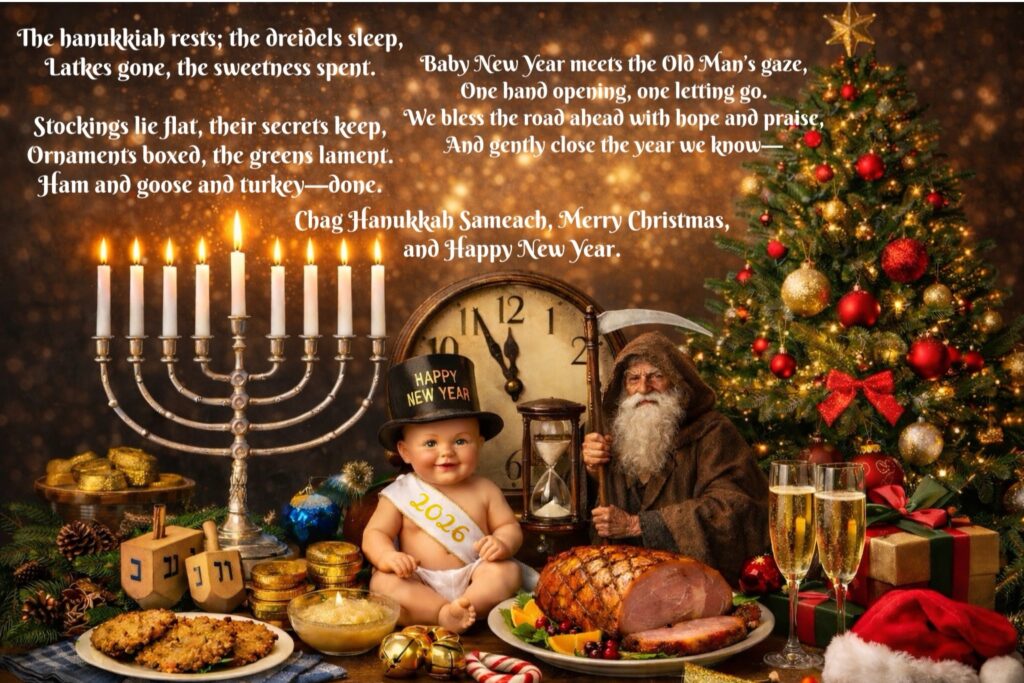
A short verse for the close of the season—the hanukkiah at rest, the ornaments boxed, the old year handing off to the new.

Season’s Greetings… Read More »

dreams and portents

Dreams & Portents

Leave a Comment / Reflections in the Well / Eliyahu (נר הדרשן)

Across the traditions the patterns hold with striking consistency. Dreams initiate; they do not conclude. They warn before disaster rather than explain it afterward. They disrupt comfort far more often than they confirm it. Kings receive them and do not understand them. Prisoners receive them and are ignored.

Dreams & Portents Read More »

thescarswebear

The Scars We Bear….

Leave a Comment / From the Ashes / Eliyahu (נר הדרשן)

A photograph stopped the scrolling: a woman at her tenth heartiversary, in a gown with a plunging neckline, the long chest scar there for anyone who looked. Most people hide their scars because the world has a habit of treating them as flaws. In Hebrew, ot means sign, mark, testimony.

The Scars We Bear…. Read More »

when the world stops making sense

When the world stops making sense

Leave a Comment / From the Ashes / Eliyahu (נר הדרשן)

When the world breaks, we reach for meaning immediately. Why did this happen. What is it trying to teach me. The reaching is automatic—and it is more often projection than discovery, a rush to press the raw thing into a shape that feels rational because the alternative is unbearable.

When the world stops making sense Read More »

currentbeneath1

The Current beneath….

Leave a Comment / Reflections in the Well / Eliyahu (נר הדרשן)

You are working quietly and sense someone enter the room before you hear a footstep. The Romans had a word for the sacred version of this—numen, the charge that animates a place without taking physical form. Nearly every tradition has a vocabulary for the current. Most people have felt it and filed it away.

The Current beneath…. Read More »

← Previous 1 … 12 13 14 Next →

About James Nerlinger

My spiritual path has been anything but linear. I began life in the Catholic tradition, but quickly grew curious about the many ways human beings have sought truth. That curiosity led me through the world’s great religions and philosophies, tracing their influence on cultures, history, and the human imagination. For a time, I became a devoted spiritualist, until I set those studies aside to live more fully in the world of man—only to find that world unsatisfying, and the deeper questions still calling me back.

I write under the name Eliyahu (נר הדרשן)—“Lamp of the Interpreter”—a reflection of my commitment to bridging traditions and illuminating sacred text through close reading, contemplative practice, and interfaith dialogue.

Today, my journey continues with a focus on Judaism, Torah, and Kabbalah, while remaining open to wisdom wherever it is found. Along the way, I’ve wrestled with Aristotle and Plato, listened to Solzhenitsyn and Nietzsche, studied the Zohar and the Rambam, and reflected on insights from Asian sages whose words still echo across centuries.

Many Lamps, One Flame is a place to share that ongoing exploration—a meeting ground for traditions, philosophies, and seekers. Not to offer final answers, but to kindle sparks: reflections meant to remind us that though the lamps may differ, the flame at their heart is the same.

Contact

Thoughts?  Comments?  Discussion?

eliyahu@manylampsoneflame.com

Buy Me a Coffee

Email

Copyright © 2026 Many Lamps, One Flame