Skip to content
newlogo t
  • Home
  • Reflections
  • Influences
  • Podcast
  • Thematic Guide
  • About
  • Calendar
Search
newlogo t
  • Home
  • Reflections
  • Influences
  • Podcast
  • Thematic Guide
  • About
  • Calendar
beshalach hatred titled

B’Shalach…Revisited

1 Comment / From the Scroll / Eliyahu (נר הדרשן)

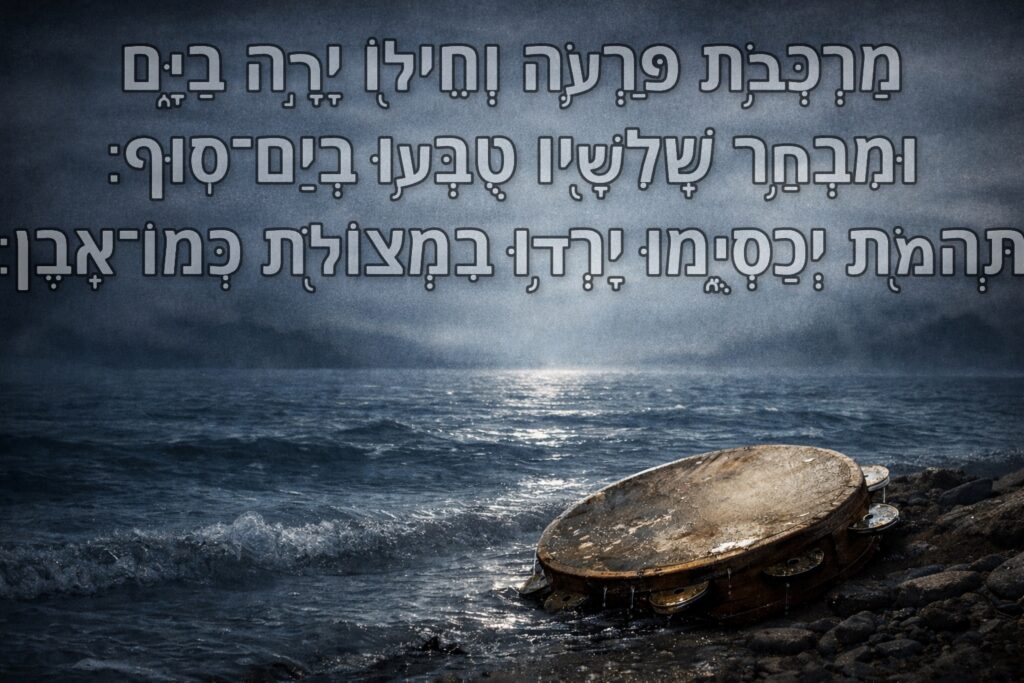
The song at the sea is among the most beautiful moments in Torah and among the most unsettling. It does not linger only on deliverance. It lingers on horse and rider hurled into the water, the enemy sinking like stone. Somewhere here runs the line between necessity and appetite.

B’Shalach…Revisited Read More »

forthemeek

For The Meek

Leave a Comment / Under the Lectionary / Eliyahu (נר הדרשן)

Popular reading takes the Beatitudes as moral encouragement—ideal traits, eventual consolation for present discomfort. That reading is not wrong in sentiment. It is wrong in substance. Blessed here is neither reward for virtue nor prediction of happiness. It is a declaration of status: who is already aligned.

For The Meek Read More »

parashatbeshalachtitled

Parashat B’Shalach

Leave a Comment / From the Scroll / Eliyahu (נר הדרשן)

The manna rots if hoarded. The quail come by the meal. Water appears only when it is needed. There are no stockpiles in the wilderness, and the restraint is deliberate—excess would delay agency, scarcity would retraumatize. Then Amalek attacks, and for the first time no miracle arrives.

Parashat B’Shalach Read More »

thelongdarknightofthesoul

The Long Dark Night of the Soul

Leave a Comment / Reflections in the Well / Eliyahu (נר הדרשן)

An exhaustion past the physical kind, where every borrowed meaning collapses—status, usefulness, affirmation, even piety. Modern language calls this depression. It is not. Depression implies a malfunction. This is closer to the opposite: the moment a person stops being able to lie to himself.

The Long Dark Night of the Soul Read More »

lightinthedarkness

Light in the Darkness

Leave a Comment / Under the Lectionary / Eliyahu (נר הדרשן)

The reading opens not with triumph but with absence. John is in prison, his voice silenced by power that could not control it. That is the moment the ministry begins—not in the Temple, not among the learned, but in Galilee among fishermen, taking up the silenced message rather than replacing it.

Light in the Darkness Read More »

exodusongoing

Parashat Bo

Leave a Comment / From the Scroll / Eliyahu (נר הדרשן)

Before Israel has had time to understand what happened to them, G-d commands them to remember it—actively, ritually, publicly. That is not sentimentality. Egypt was never only a place. It was a closed system that assigned worth by output, and the pull of such systems does not end at a border.

Parashat Bo Read More »

whatwasnevermeanttobeoutgrown

What Was Never Meant To Be Outgrown

Leave a Comment / Reflections in the Well / Eliyahu (נר הדרשן)

When I became a man, I put childish things away. The line has been absorbed so completely into Western culture that almost no one asks what Paul meant by it, and the culture hears it as I outgrew religion. Childhood, in his letter, is a metaphor for partial apprehension. Not for error.

What Was Never Meant To Be Outgrown Read More »

thewineofabundancetitled

The Wine of Abundance

Leave a Comment / Under the Lectionary / Eliyahu (נר הדרשן)

John is careful with a detail most readers pass over. The water is not in clay, which absorbs ritual impurity, but in stone—vessels chosen precisely for their resistance to contamination. What gets transformed at Cana is the best instrument the system had for staying clean.

The Wine of Abundance Read More »

parashatva'eratitled

Parashat Va’era

Leave a Comment / From the Scroll / Eliyahu (נר הדרשן)

They did not refuse to listen. The text says they did not hear. Moses brings word of redemption to people whose spirits are so constricted by labor that the words cannot find anywhere to land. Kotzer ruach is not a statement about faith. It is a statement about capacity.

Parashat Va’era Read More »

kabbalahanorientationtitled

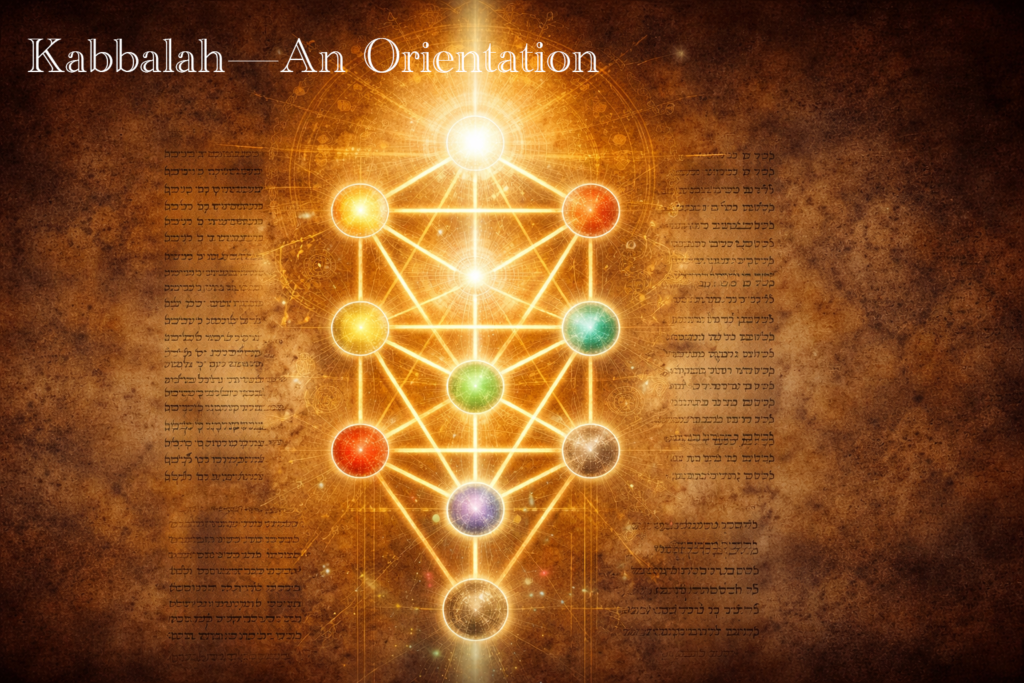
Kabbalah—An Orientation

Leave a Comment / Kindling / Eliyahu (נר הדרשן)

In contemporary culture Kabbalah has become familiar without being understood, circulating through celebrity endorsement and lifestyle branding rather than through texts or study. Before anything else can be said about it, it is worth saying plainly what the tradition is, what it is not, and why the difference matters.

Kabbalah—An Orientation Read More »

← Previous 1 … 11 12 13 14 Next →

About James Nerlinger

My spiritual path has been anything but linear. I began life in the Catholic tradition, but quickly grew curious about the many ways human beings have sought truth. That curiosity led me through the world’s great religions and philosophies, tracing their influence on cultures, history, and the human imagination. For a time, I became a devoted spiritualist, until I set those studies aside to live more fully in the world of man—only to find that world unsatisfying, and the deeper questions still calling me back.

I write under the name Eliyahu (נר הדרשן)—“Lamp of the Interpreter”—a reflection of my commitment to bridging traditions and illuminating sacred text through close reading, contemplative practice, and interfaith dialogue.

Today, my journey continues with a focus on Judaism, Torah, and Kabbalah, while remaining open to wisdom wherever it is found. Along the way, I’ve wrestled with Aristotle and Plato, listened to Solzhenitsyn and Nietzsche, studied the Zohar and the Rambam, and reflected on insights from Asian sages whose words still echo across centuries.

Many Lamps, One Flame is a place to share that ongoing exploration—a meeting ground for traditions, philosophies, and seekers. Not to offer final answers, but to kindle sparks: reflections meant to remind us that though the lamps may differ, the flame at their heart is the same.

Contact

Thoughts?  Comments?  Discussion?

eliyahu@manylampsoneflame.com

Buy Me a Coffee

Email

Copyright © 2026 Many Lamps, One Flame