
Skip to content
newlogo t
  • Home
  • Reflections
  • Influences
  • Podcast
  • Thematic Guide
  • About
  • Calendar
Search
newlogo t
  • Home
  • Reflections
  • Influences
  • Podcast
  • Thematic Guide
  • About
  • Calendar
A table set for two inside a sukkah with plank walls, green branches overhead casting dappled light, and an open doorway looking out to olive trees and hills

The Shade and the Sign

Leave a Comment / From the Scroll / Eliyahu (נר הדרשן)

The palm, the citron, the myrtle, and the willow are not lifted when the first day of Sukkot falls on Shabbat, though in the Temple they were. The decree reaches the taking and leaves the dwelling untouched. What remains is the roof, the only surface with material requirements of its own.

The Shade and the Sign Read More »

A weathered wooden gate stands half open in an old stone wall, showing a sunlit flagstone path leading into a garden with an olive tree

Granted

Leave a Comment / Reflections in the Well / Eliyahu (נר הדרשן)

Seneca marveled that people who fight over the boundary of their land let others trespass on their lives, even leading in those who will possess them. His subject was time; his image was a door. At the burning bush, Or HaChaim hears two instructions in what sounds like one.

Granted Read More »

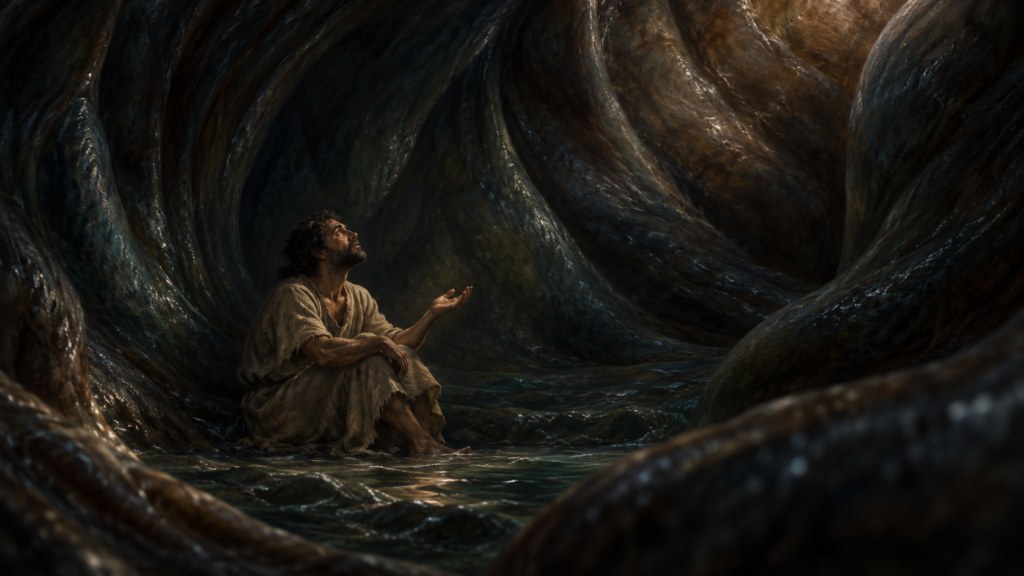
A bearded man in torn pale robes sits in shallow water inside a vast dark chamber of wet ribbed walls, looking upward with one hand open and raised

At the Roots of the Mountains

Leave a Comment / From the Scroll / Eliyahu (נר הדרשן)

Jonah runs because of what he knows, not what he doubts. The Zohar reads his descent into the ship as the soul’s descent into a body and the fish as the grave, and finds the turning at the bottom, before anything outside has changed.

At the Roots of the Mountains Read More »

The Secular Conversion

Leave a Comment / Divergence / Eliyahu (נר הדרשן)

Paris, January 1895. Soldiers tear the epaulettes from Alfred Dreyfus’s uniform and break his sword across their knee. Beyond the gates a crowd is screaming—not death to the traitor. He was a Polytechnique graduate on the General Staff, assimilated to the point of self-destruction. What exactly was he supposed to have converted out of?

The Secular Conversion Read More »

Eternal Life and Temporal Life

Leave a Comment / Reflections in the Well / Eliyahu (נר הדרשן)

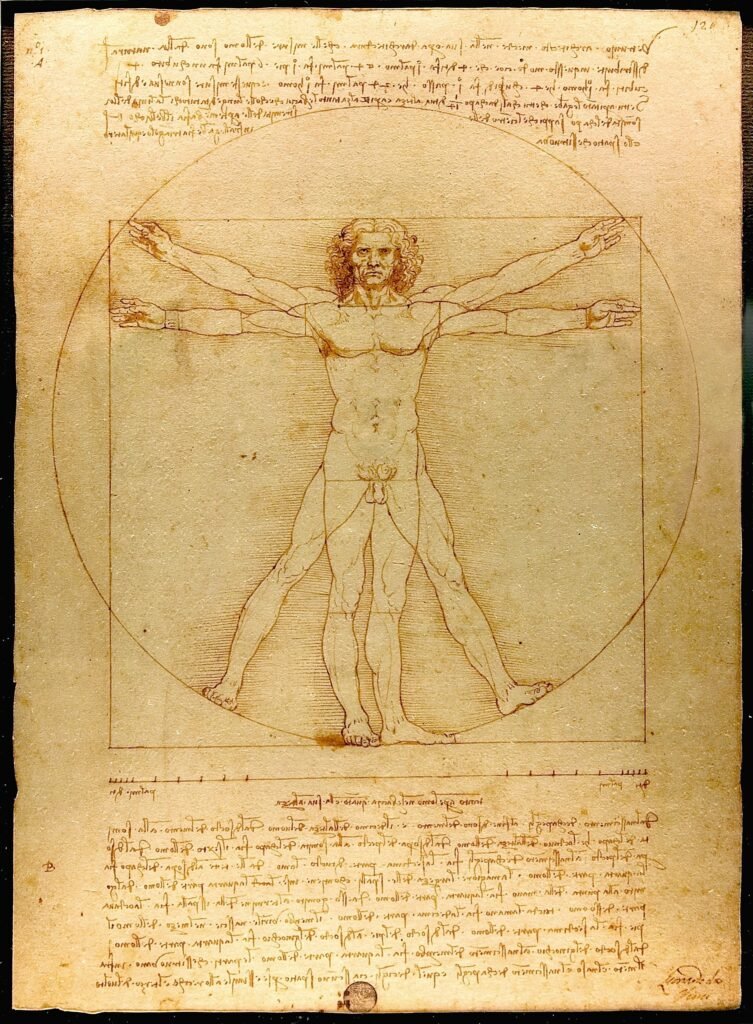
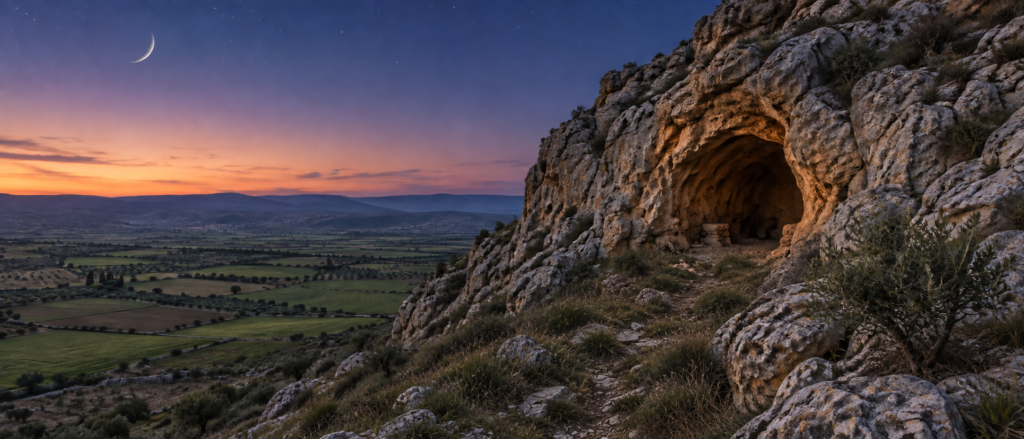
Shimon bar Yochai entered a cave to escape execution and came out able to set a field on fire with a look. What settled him was an old man running at dusk with two bundles of myrtle.

Eternal Life and Temporal Life Read More »

Parashat Ha’azinu

Leave a Comment / From the Scroll / Eliyahu (נר הדרשן)

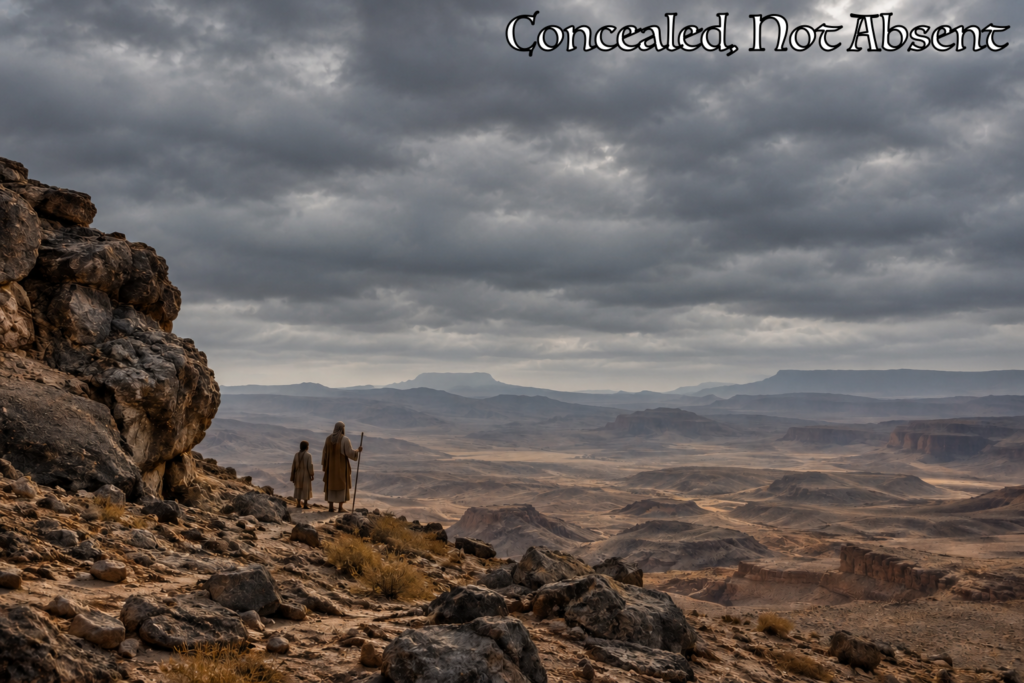
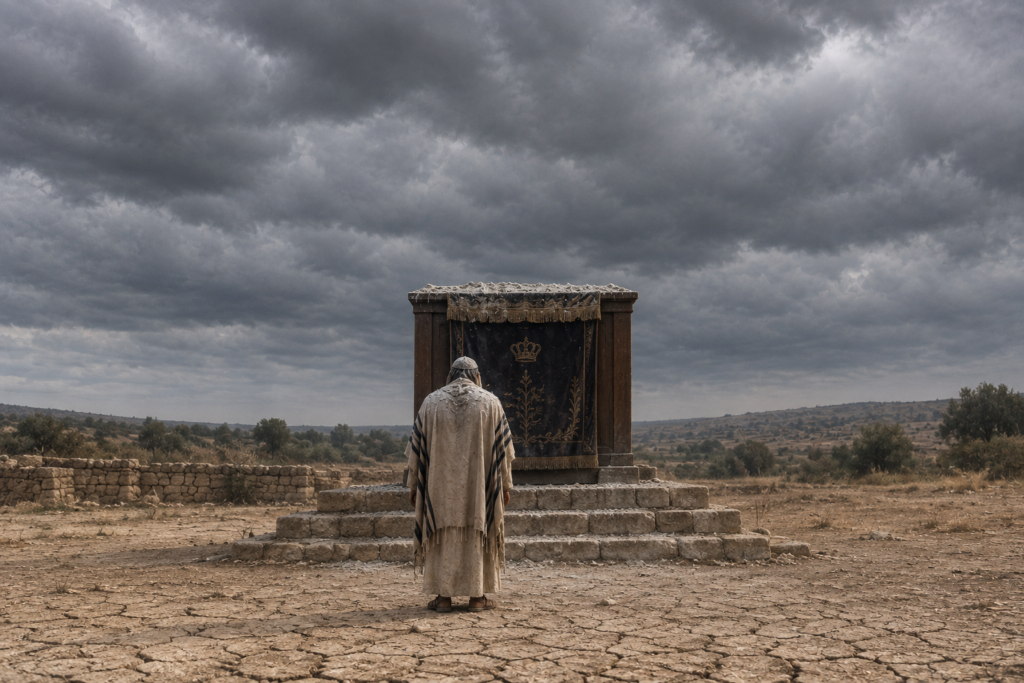
The face is hidden. Israel says so, and Israel is right about that. What they get wrong is the word in the middle: hidden, therefore gone. G-d predicts the sentence before anyone says it—and then answers it with a song, taught in Moab, before there was anything to argue against.

Parashat Ha’azinu Read More »

The Preacher’s Poison

Leave a Comment / Divergence / Eliyahu (נר הדרשן)

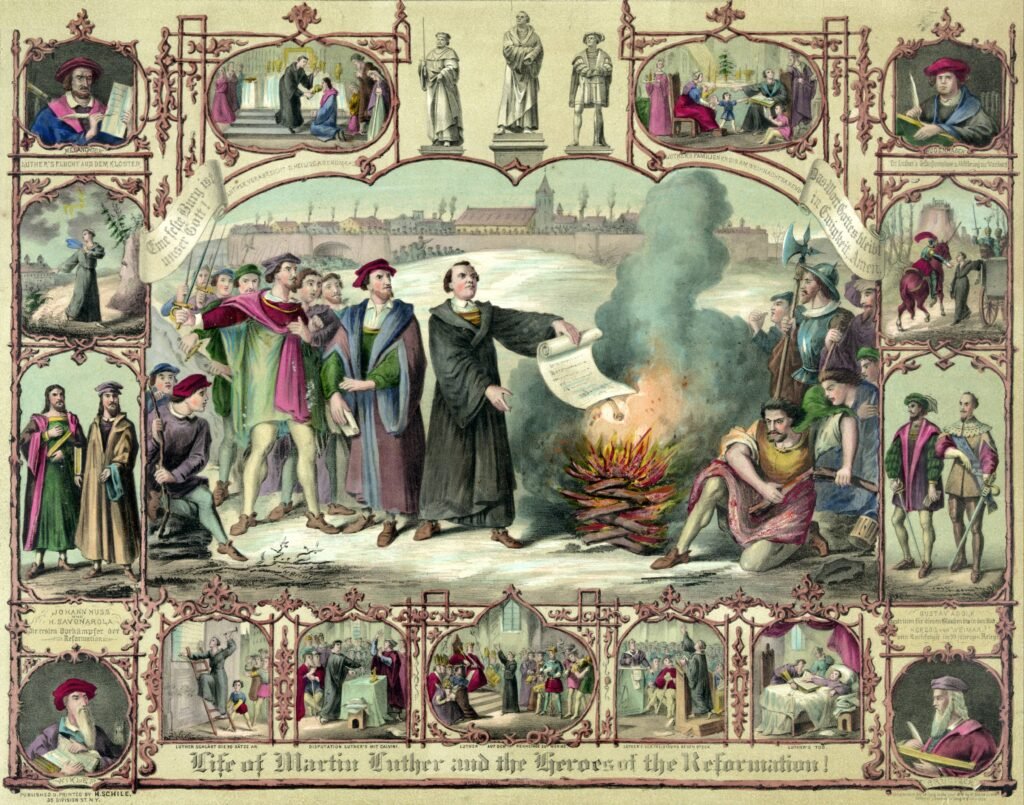
In 1523 he wrote that Jews were being treated as though they were dogs rather than human beings, and that a good Christian in their position might reasonably have refused the faith. In 1543 the same man wrote that their synagogues should be burned. The temptation is to call it a change of mind. Neither document supports that.

The Preacher’s Poison Read More »

Nothing to Collect

Leave a Comment / Reflections in the Well / Eliyahu (נר הדרשן)

The rains did not come. Rabbi Eliezer descended to the ark and recited all twenty-four blessings—the complete fast-day liturgy, every word the tradition prescribes for exactly this emergency. Nothing happened. Rabbi Akiva descended after him and said two sentences. The rain fell.

Nothing to Collect Read More »

Parashat Vayeilech

Leave a Comment / From the Scroll / Eliyahu (נר הדרשן)

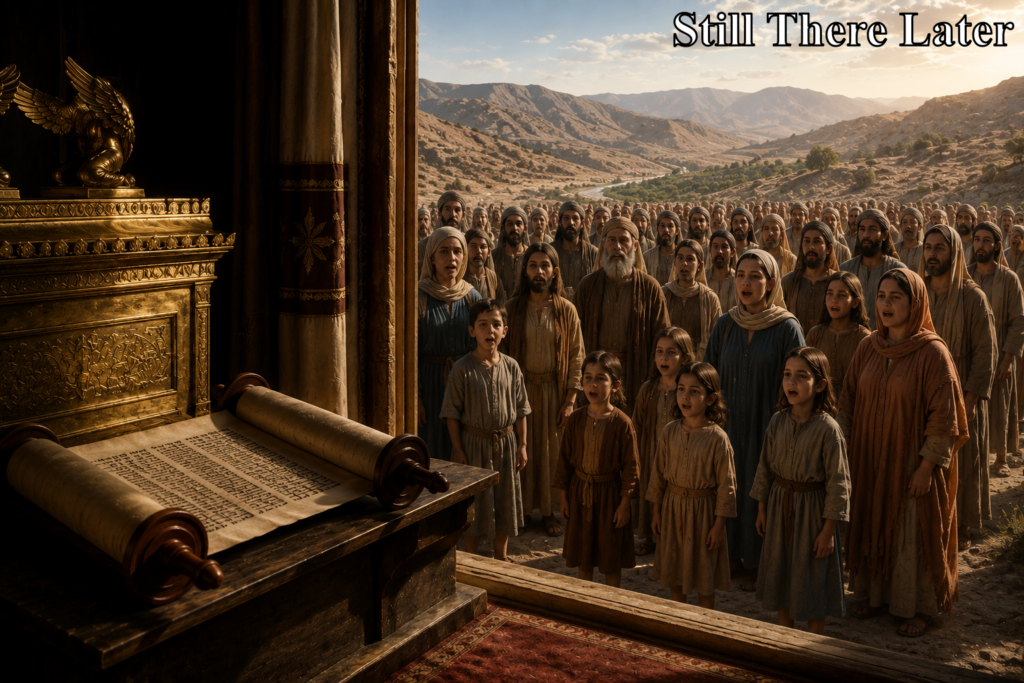
Twice in one chapter Moses is told to make a witness. One is a scroll, handed to the priests and given a place beside the Ark. The other is a song, taught to the people and set into their mouths. Both are placed. Only one is promised it will still be there later.

Parashat Vayeilech Read More »

Parashat Nitzavim

Leave a Comment / From the Scroll / Eliyahu (נר הדרשן)

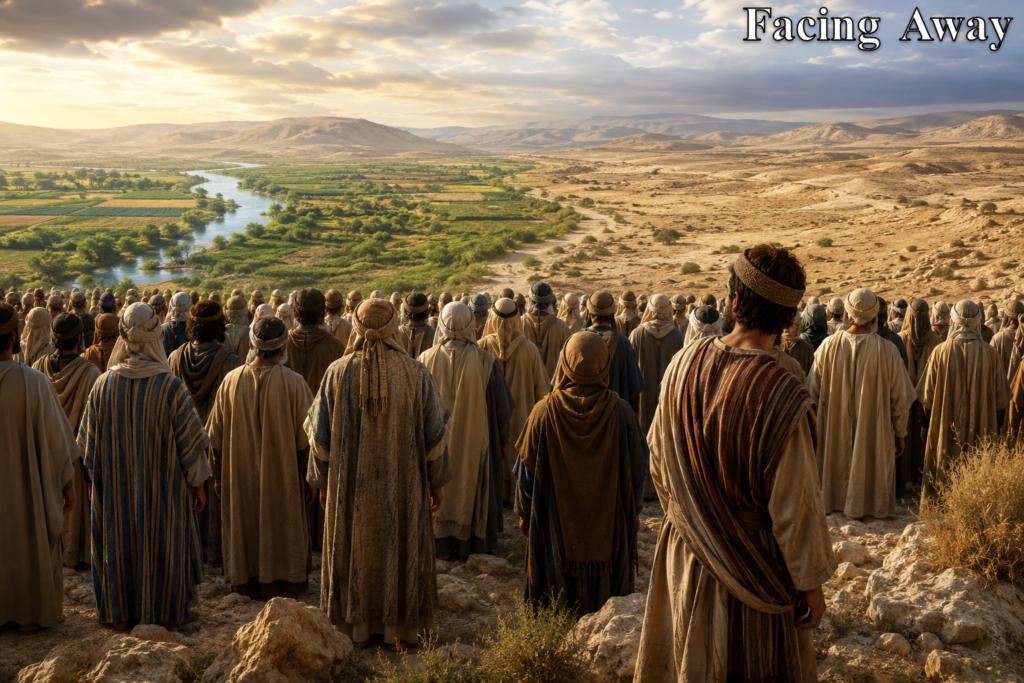
He has served no foreign god. He is standing in the assembly, hearing the covenant read aloud, and somewhere in the middle of it he blesses himself. Torah answers with a refusal of forgiveness it never issued at Sinai—and then never uses the word forgive again.

Parashat Nitzavim Read More »

1 2 … 14 Next →

About James Nerlinger

My spiritual path has been anything but linear. I began life in the Catholic tradition, but quickly grew curious about the many ways human beings have sought truth. That curiosity led me through the world’s great religions and philosophies, tracing their influence on cultures, history, and the human imagination. For a time, I became a devoted spiritualist, until I set those studies aside to live more fully in the world of man—only to find that world unsatisfying, and the deeper questions still calling me back.

I write under the name Eliyahu (נר הדרשן)—“Lamp of the Interpreter”—a reflection of my commitment to bridging traditions and illuminating sacred text through close reading, contemplative practice, and interfaith dialogue.

Today, my journey continues with a focus on Judaism, Torah, and Kabbalah, while remaining open to wisdom wherever it is found. Along the way, I’ve wrestled with Aristotle and Plato, listened to Solzhenitsyn and Nietzsche, studied the Zohar and the Rambam, and reflected on insights from Asian sages whose words still echo across centuries.

Many Lamps, One Flame is a place to share that ongoing exploration—a meeting ground for traditions, philosophies, and seekers. Not to offer final answers, but to kindle sparks: reflections meant to remind us that though the lamps may differ, the flame at their heart is the same.

Contact

Thoughts?  Comments?  Discussion?

eliyahu@manylampsoneflame.com

Buy Me a Coffee

Email

Copyright © 2026 Many Lamps, One Flame