Skip to content
newlogo t
  • Home
  • Reflections
  • Influences
  • Podcast
  • Thematic Guide
  • About
  • Calendar
Search
newlogo t
  • Home
  • Reflections
  • Influences
  • Podcast
  • Thematic Guide
  • About
  • Calendar
tetzavehtitled

Parashat Tetzaveh

Leave a Comment / From the Scroll / Eliyahu (נר הדרשן)

The dwelling is built. Now what? Tetzaveh answers with clothing, and the detail lavished on the priestly garments rivals the specifications for the sanctuary itself. The veil guarding the innermost chamber is woven fabric, not stone. Whether it functions as a wall or a doorway depends entirely on who approaches it.

Parashat Tetzaveh Read More »

kalanisheweepstitled

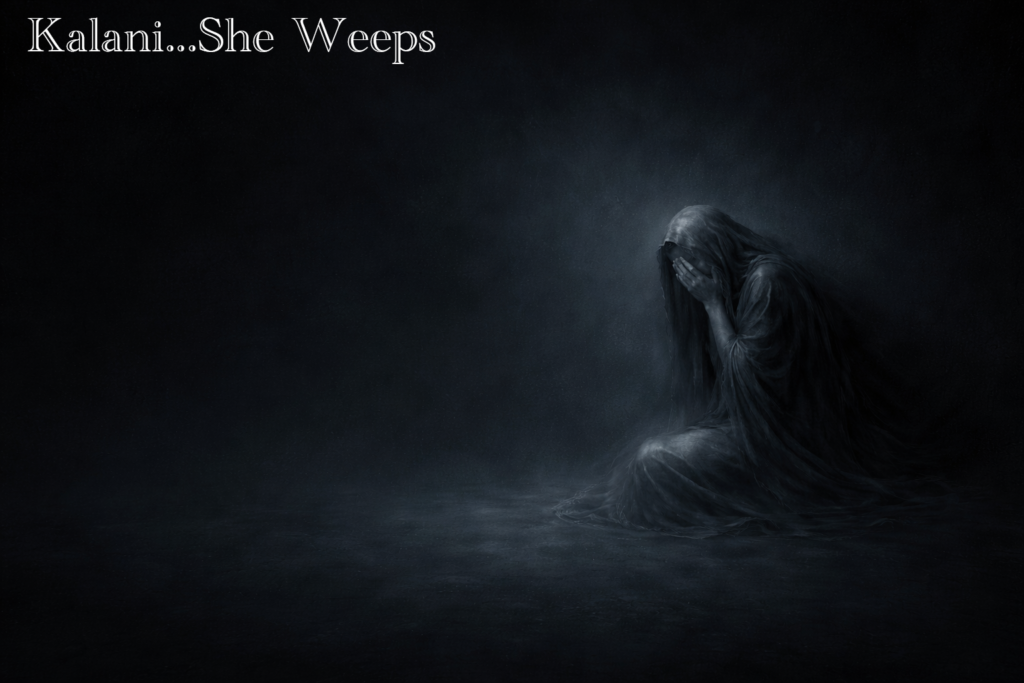
Kalani…She Weeps

Leave a Comment / Reflections in the Well / Eliyahu (נר הדרשן)

Kalani me-roshi, kalani mi-zero’i. My head is heavy, my arms are heavy. The Talmud puts these words in the mouth of the Shekhinah when a person suffers. Not metaphor for divine sympathy observed from a distance. The Presence does not merely witness the pain. She is diminished by it.

Kalani…She Weeps Read More »

letyouryesbeyestitled

Let Your Yes Be Yes

1 Comment / Under the Lectionary / Eliyahu (נר הדרשן)

On the surface it is nearly pedestrian: do not embellish your promises with oaths, simply tell the truth. It reads like advice for honest commerce. But Jesus is not interested in functional societies, and at Sinai the people answered na’aseh v’nishma—we will do and we will hear, in that order.

Let Your Yes Be Yes Read More »

terumahtitled

Parashat Terumah

Leave a Comment / From the Scroll / Eliyahu (נר הדרשן)

They shall make Me a sanctuary and I will dwell among them. Not in it—among them. The Presence inhabits the builders rather than the building. Which leaves a question the chapter never answers outright: if that is so, why does something designed to be dismantled require measurements exact to the half-cubit?

Parashat Terumah Read More »

consciousnesstitled

Consciousness: Ephemeral and Enduring

Leave a Comment / Reflections in the Well / Eliyahu (נר הדרשן)

It can debate metaphysics, analyze anatta, and produce reflections that sound uncannily introspective—as though something on the other side of the screen were not merely processing language but inhabiting it. In the Kabbalistic account, consciousness is not a possession at all. It is a participation.

Consciousness: Ephemeral and Enduring Read More »

lawbecomesfleshtitled

Law Becomes Flesh

Leave a Comment / Under the Lectionary / Eliyahu (נר הדרשן)

What if the commandments were never meant to be permanent—not because they were flawed, but because they succeeded? A person who has truly internalized Torah does not refrain from murder. They have become someone to whom murder is unthinkable. The goal of Torah is to make itself unnecessary.

Law Becomes Flesh Read More »

parashatmishpatimtitled

Parashat Mishpatim

Leave a Comment / From the Scroll / Eliyahu (נר הדרשן)

The Torah warns against oppressing the stranger more often than it warns against anything else—thirty-six times, the Sages count, and some say forty-six. Repetition on that scale signals difficulty rather than emphasis. The harder question is what kind of care is commanded, under what conditions, and within what structures.

Parashat Mishpatim Read More »

adayofrest

The Sabbath

Leave a Comment / Reflections in the Well / Eliyahu (נר הדרשן)

Modern society kept the word and hollowed it out—the Sabbath as a day off, now stretched to two. Heschel argued it was never restorative but declarative, a sanctification of time rather than space. Which raises a stranger question. What if Shabbat is not the interruption, and the other six days are?

The Sabbath Read More »

saltandlighttitled

Salt and Light

Leave a Comment / Under the Lectionary / Eliyahu (נר הדרשן)

Salt that hides is useless. Light that retreats is a contradiction. The danger named here is not opposition but assimilation—a loss of distinctiveness that renders covenant life invisible and inert. And they are named salt and light in their present vulnerability, not once conditions improve.

Salt and Light Read More »

parashatyitrotitled

Parashat Yitro

Leave a Comment / From the Scroll / Eliyahu (נר הדרשן)

Sinai is remembered as closeness. The text insists on the opposite—fences, warnings, boundaries named and named again. Exodus uses two different words for fear, and the one that belongs at the mountain is not the one meaning terror. Relationship with the Divine is not the same thing as access to it.

Parashat Yitro Read More »

← Previous 1 … 10 11 12 … 14 Next →

About James Nerlinger

My spiritual path has been anything but linear. I began life in the Catholic tradition, but quickly grew curious about the many ways human beings have sought truth. That curiosity led me through the world’s great religions and philosophies, tracing their influence on cultures, history, and the human imagination. For a time, I became a devoted spiritualist, until I set those studies aside to live more fully in the world of man—only to find that world unsatisfying, and the deeper questions still calling me back.

I write under the name Eliyahu (נר הדרשן)—“Lamp of the Interpreter”—a reflection of my commitment to bridging traditions and illuminating sacred text through close reading, contemplative practice, and interfaith dialogue.

Today, my journey continues with a focus on Judaism, Torah, and Kabbalah, while remaining open to wisdom wherever it is found. Along the way, I’ve wrestled with Aristotle and Plato, listened to Solzhenitsyn and Nietzsche, studied the Zohar and the Rambam, and reflected on insights from Asian sages whose words still echo across centuries.

Many Lamps, One Flame is a place to share that ongoing exploration—a meeting ground for traditions, philosophies, and seekers. Not to offer final answers, but to kindle sparks: reflections meant to remind us that though the lamps may differ, the flame at their heart is the same.

Contact

Thoughts?  Comments?  Discussion?

eliyahu@manylampsoneflame.com

Buy Me a Coffee

Email

Copyright © 2026 Many Lamps, One Flame