
Skip to content
newlogo t
  • Home
  • Reflections
  • Influences
  • Podcast
  • Thematic Guide
  • About
  • Calendar
Search
newlogo t
  • Home
  • Reflections
  • Influences
  • Podcast
  • Thematic Guide
  • About
  • Calendar

Parashat Vayikra

2 Comments / From the Scroll / Eliyahu (נר הדרשן)

Korban is universally translated as sacrifice, and the translation sends the reader wrong before the first verse is finished. Sacrifice implies loss—something surrendered to appease an authority who demands it. The root is karav: to draw near. Leviticus does not open with appeasement. It opens with a theology of approach.

Parashat Vayikra Read More »

Prayerful

Leave a Comment / Reflections in the Well / Eliyahu (נר הדרשן)

Everyone has been taught how to pray. Very few have been told what prayer is actually for. The gap between the two is where most people live—reciting words they were given as children and suspecting privately that no one is listening. The problem is not the words. It is the assumption underneath them.

Prayerful Read More »

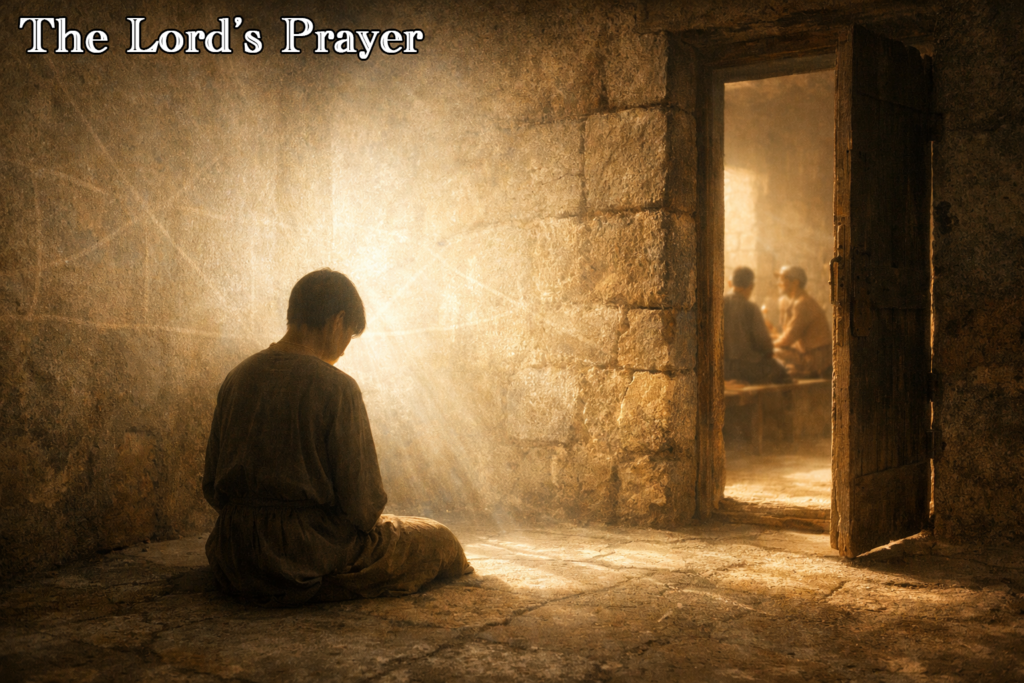
The Lord’s Prayer

Leave a Comment / Under the Lectionary / Eliyahu (נר הדרשן)

Insert prayer in the slot, turn the handle, await your gumball. The question most people carry and rarely say aloud is whether anyone is listening at all. What is offered in answer is not reassurance but a reorientation, and it arrives in verse 8: your Father knows what you need before you ask.

The Lord’s Prayer Read More »

Parashat Pekudei

Leave a Comment / From the Scroll / Eliyahu (נר הדרשן)

Exodus ends not with drama but with a ledger. Twenty-nine talents and 730 shekels of gold, every ounce catalogued and attributed, nothing approximate and nothing concealed. Only then does the glory descend. The work cannot be called finished while any part of it remains unexamined.

Parashat Pekudei Read More »

Parashat Vayakhel

Leave a Comment / From the Scroll / Eliyahu (נר הדרשן)

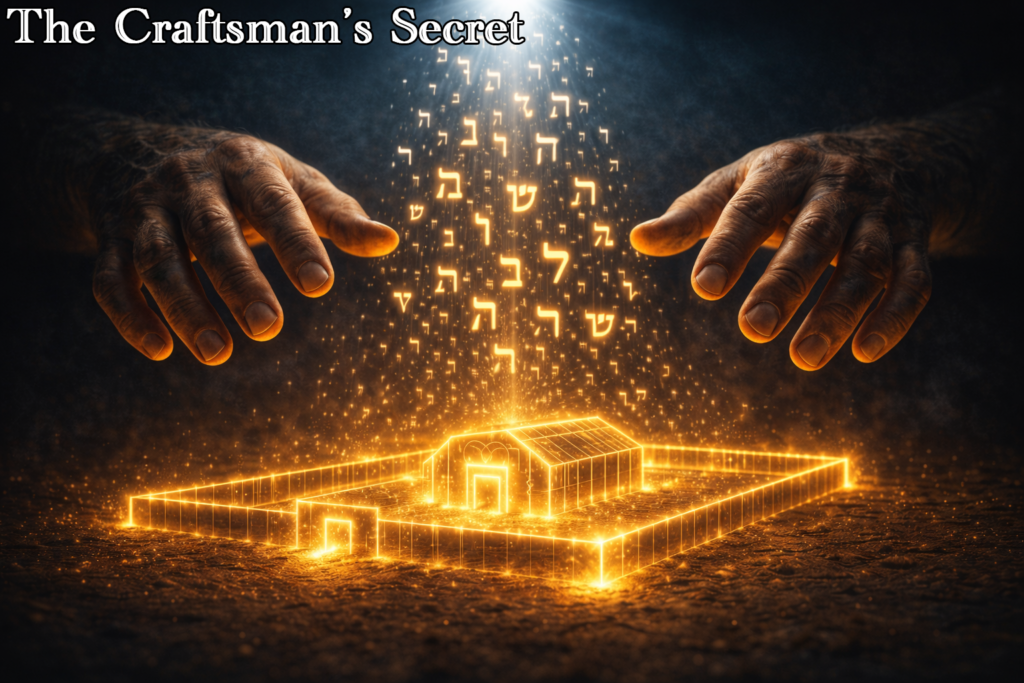
Nearly everything we own was produced by someone we will never know, in a process designed to make that unknowability irrelevant. The Mishkan could not be built that way. Nediv lev—a willing heart—is not a pleasant disposition toward the work. It is a structural requirement, established before any measurement is given.

Parashat Vayakhel Read More »

The Empty Reed

Leave a Comment / Reflections in the Well / Eliyahu (נר הדרשן)

You clean the outside of the cup and dish. The indictment is not unique to first-century Pharisees—it names the universal habit of managing appearances while leaving the interior undisturbed. Which opens a question that is practical rather than moral: if the outer form accomplishes nothing, what actually reaches the inside?

The Empty Reed Read More »

Righteousness in Secret

Leave a Comment / Under the Lectionary / Eliyahu (נר הדרשן)

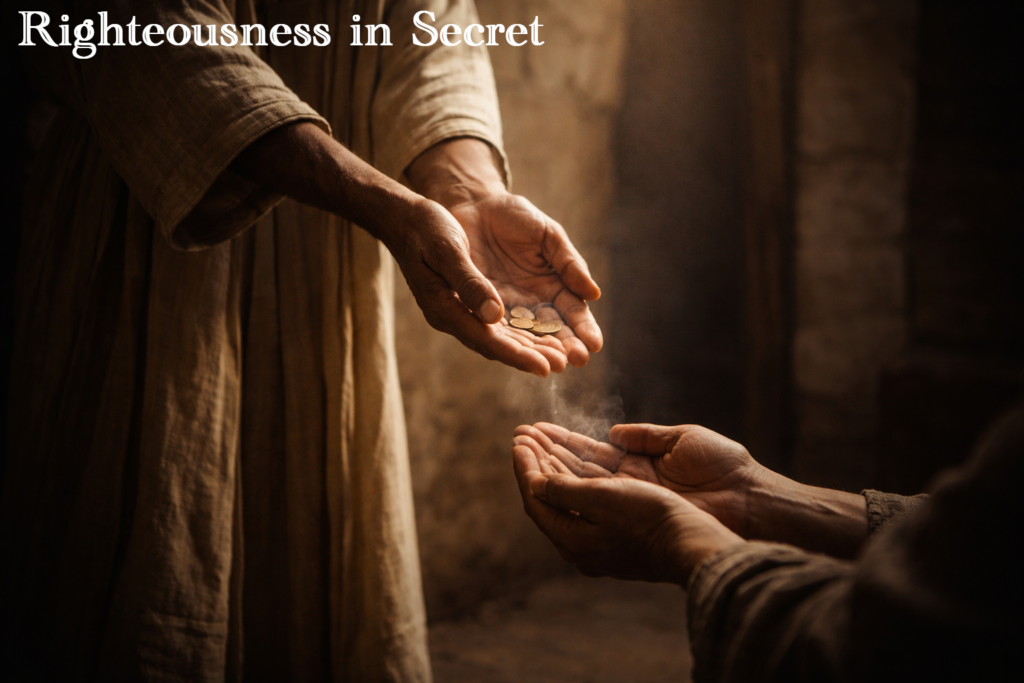
There is a persistent suspicion that nothing is ever truly free—that every act of kindness harbors an agenda. That instinct is not paranoia. It is pattern recognition, and it is correct often enough to have earned its place. The skeptics have correctly diagnosed the disease. This passage is the cure.

Righteousness in Secret Read More »

Parashat Ki Tisa

Leave a Comment / From the Scroll / Eliyahu (נר הדרשן)

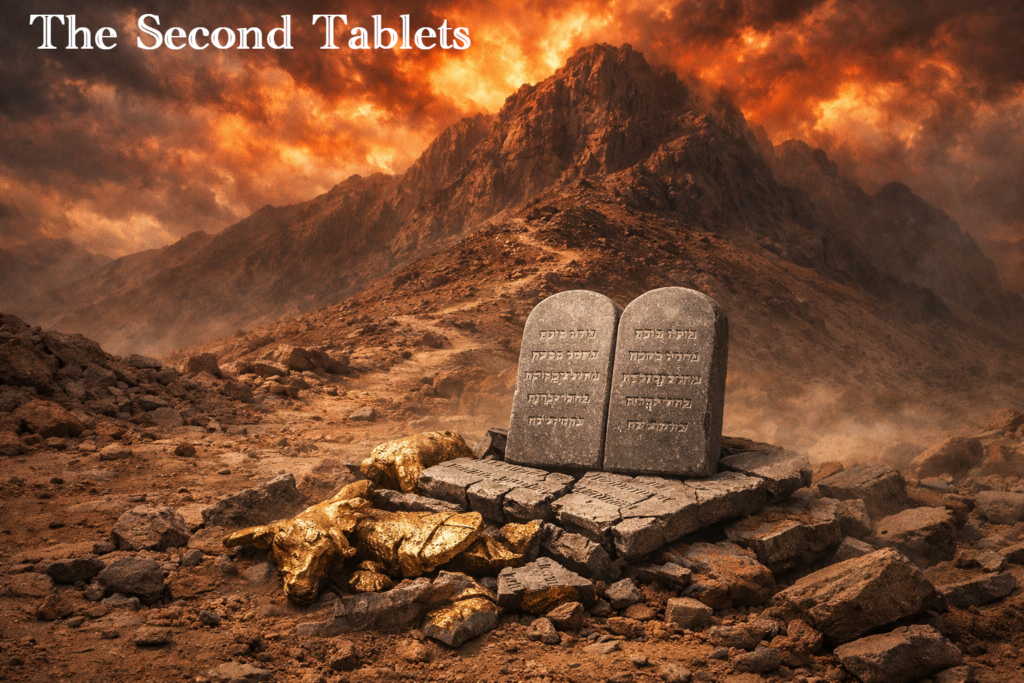
The tablets were the most sacred objects in human history, and G-d later refers to them as the ones which you shattered—naming Moses as the agent, without reproach. Rashi preserves what the tradition said in reply: well done. The first tablets had been made for a world that no longer existed.

Parashat Ki Tisa Read More »

You Thought This Was The End?

Leave a Comment / Reflections in the Well / Eliyahu (נר הדרשן)

Purim, Carnival, Saturnalia, Holi—every tradition does something similar at roughly the same point in the calendar, and it is not coincidence. The feast happens inside the exile, not after it. To throw a party in the middle of difficulty and mean it is among the most serious things a person can do.

You Thought This Was The End? Read More »

Retaliation and Enemy Love

Leave a Comment / Under the Lectionary / Eliyahu (נר הדרשן)

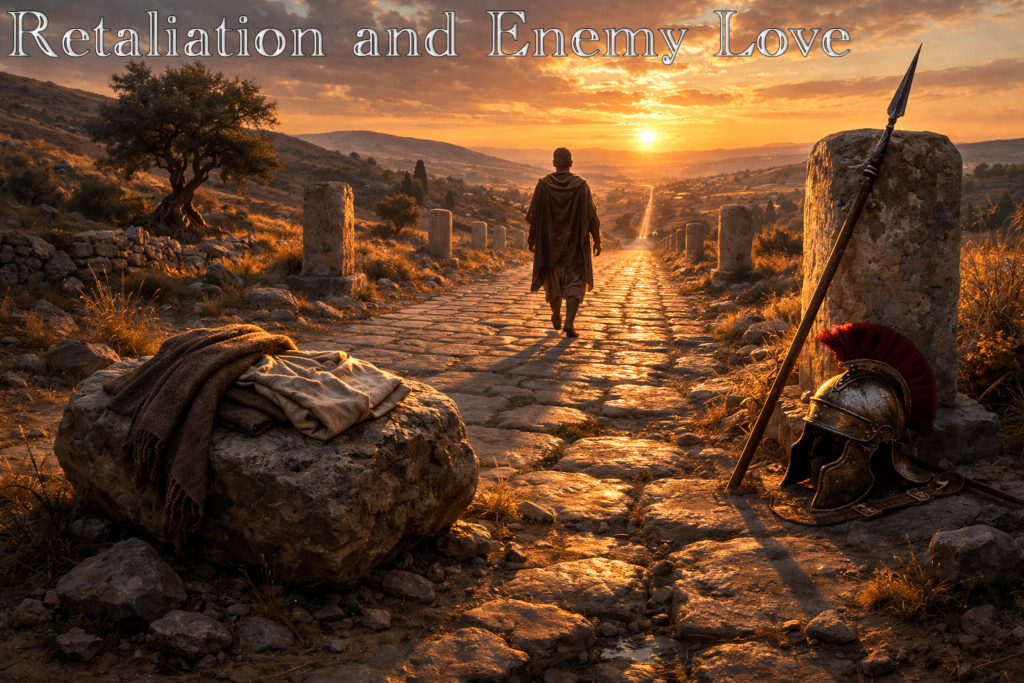
When I was a child, I thought as a child, and turn the other cheek rang as a coward’s enterprise. Give him the cloak too. Walk the second mile. What lex talionis actually was, and what is done to it here, turns that coward’s enterprise into one of the most demanding things ever asked of anyone.

Retaliation and Enemy Love Read More »

← Previous 1 … 9 10 11 … 14 Next →

About James Nerlinger

My spiritual path has been anything but linear. I began life in the Catholic tradition, but quickly grew curious about the many ways human beings have sought truth. That curiosity led me through the world’s great religions and philosophies, tracing their influence on cultures, history, and the human imagination. For a time, I became a devoted spiritualist, until I set those studies aside to live more fully in the world of man—only to find that world unsatisfying, and the deeper questions still calling me back.

I write under the name Eliyahu (נר הדרשן)—“Lamp of the Interpreter”—a reflection of my commitment to bridging traditions and illuminating sacred text through close reading, contemplative practice, and interfaith dialogue.

Today, my journey continues with a focus on Judaism, Torah, and Kabbalah, while remaining open to wisdom wherever it is found. Along the way, I’ve wrestled with Aristotle and Plato, listened to Solzhenitsyn and Nietzsche, studied the Zohar and the Rambam, and reflected on insights from Asian sages whose words still echo across centuries.

Many Lamps, One Flame is a place to share that ongoing exploration—a meeting ground for traditions, philosophies, and seekers. Not to offer final answers, but to kindle sparks: reflections meant to remind us that though the lamps may differ, the flame at their heart is the same.

Contact

Thoughts?  Comments?  Discussion?

eliyahu@manylampsoneflame.com

Buy Me a Coffee

Email

Copyright © 2026 Many Lamps, One Flame