
Skip to content
newlogo t
  • Home
  • Reflections
  • Influences
  • Podcast
  • Thematic Guide
  • About
  • Calendar
Search
newlogo t
  • Home
  • Reflections
  • Influences
  • Podcast
  • Thematic Guide
  • About
  • Calendar

The Trap and the Myth

2 Comments / Divergence / Eliyahu (נר הדרשן)

A thirteenth-century English tax document carries demonic figures drawn in among the names of Jewish taxpayers. Not a theological tract. An Exchequer receipt roll. The accusation it illustrates has changed costume in every century since, and its essential shape has not changed at all.

The Trap and the Myth Read More »
Parashat Re’eh

Leave a Comment / From the Scroll / Eliyahu (נר הדרשן)

Re’eh is singular—see, one person—addressed to lifneichem, plural: a nation and each member of it, demanded of in the same breath. Four chapters later the same organ returns, ve-ra’ah einecha, your eye grown evil against a brother asking for something you are free to refuse.

Parashat Re’eh Read More »

The Empire Decides

Leave a Comment / Divergence / Eliyahu (נר הדרשן)

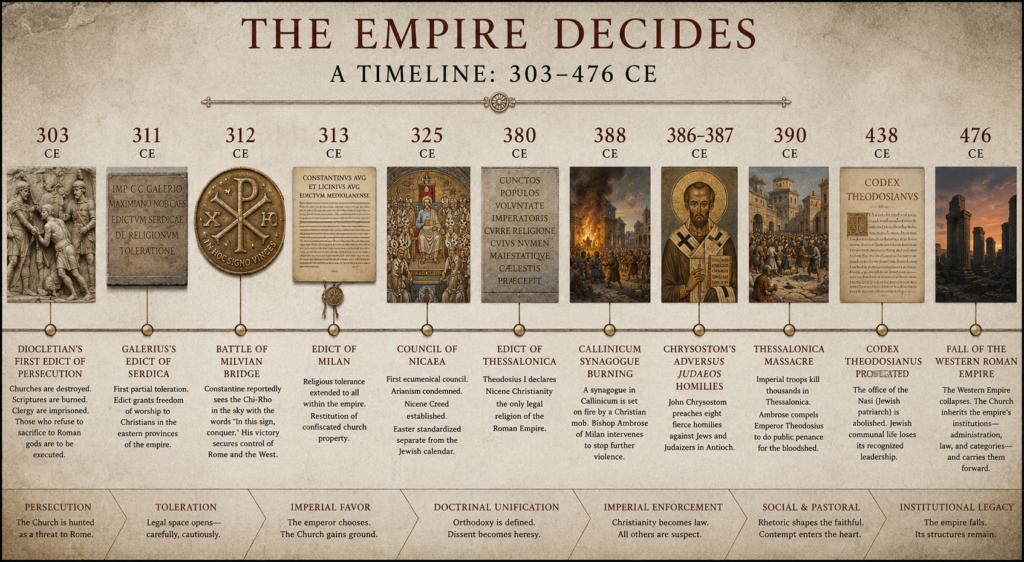
In 303 the empire ordered churches destroyed and scriptures burned. In 313 it extended tolerance to all religions. Ten years. Someone who watched the fires under Diocletian could have lived to see Constantine fund new basilicas—and to see a Christian empire begin building the legal architecture that defined what Jews were.

The Empire Decides Read More »

What the Descent is For

Leave a Comment / Reflections in the Well / Eliyahu (נר הדרשן)

A friend asked whether the descent must be chosen in order for the ascent to follow—and underneath that, whether the teaching prescribes suffering at all. The discomfort is correct to have. Manufactured hardship is not devotion. It is theater in which self-inflicted damage is mistaken for depth.

What the Descent is For Read More »

Parashat Eikev

Leave a Comment / From the Scroll / Eliyahu (נר הדרשן)

Rashi hears a heel buried in the portion’s name—akeiv—and attaches its promise to the commandments a person treads on without noticing. Which sets up the harder question: if the forty years were a test, and G-d already knew the answer, what were the forty years actually for?

Parashat Eikev Read More »

The Parting That Wasn’t Peaceful

Leave a Comment / Divergence / Eliyahu (נר הדרשן)

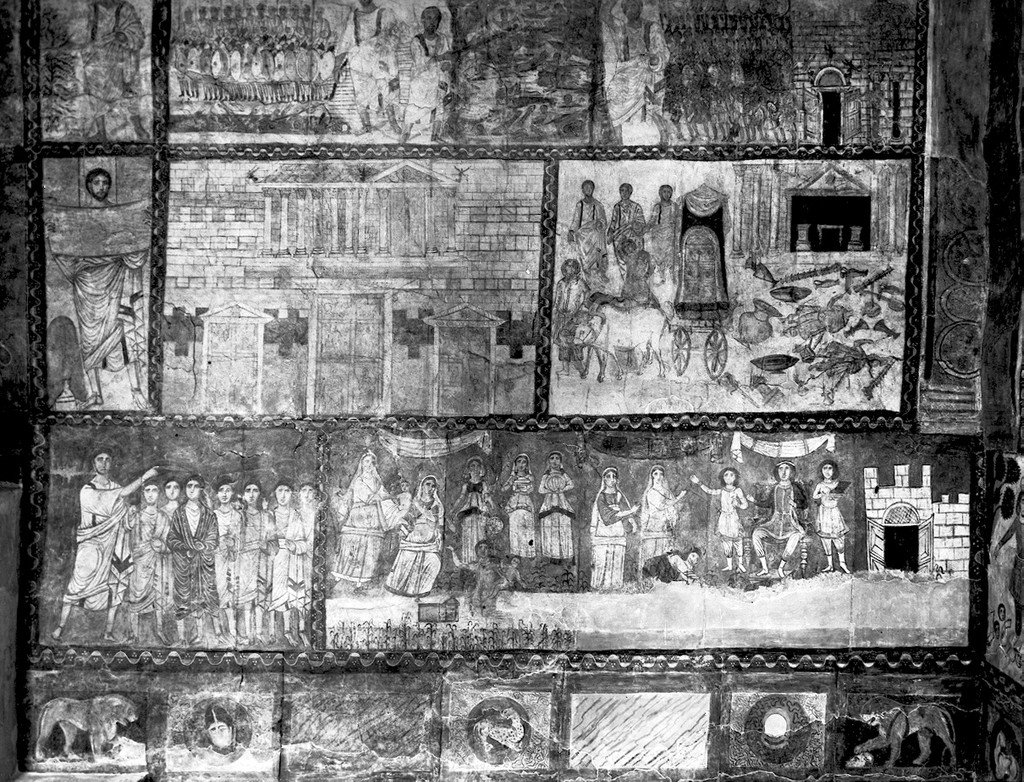
When the Temple burned in 70 CE, two communities had to decide—under catastrophic pressure and with remarkable speed—what they actually were without it. Both were Jewish. Both drew authority from the same texts, the same covenant, the same history. They decided differently. The divergence took three centuries.

The Parting That Wasn’t Peaceful Read More »

The Lamp that Cannot Be Hidden

Leave a Comment / Under the Lectionary / Eliyahu (נר הדרשן)

Ordinary darkness stays open to light because it has not confused itself with light. Counterfeit light resists correction precisely because it believes illumination has already arrived—and an eye convinced of its own clarity has nothing left to seek, and therefore nothing left to receive.

The Lamp that Cannot Be Hidden Read More »

Parashat Va’etchanan

Leave a Comment / From the Scroll / Eliyahu (נר הדרשן)

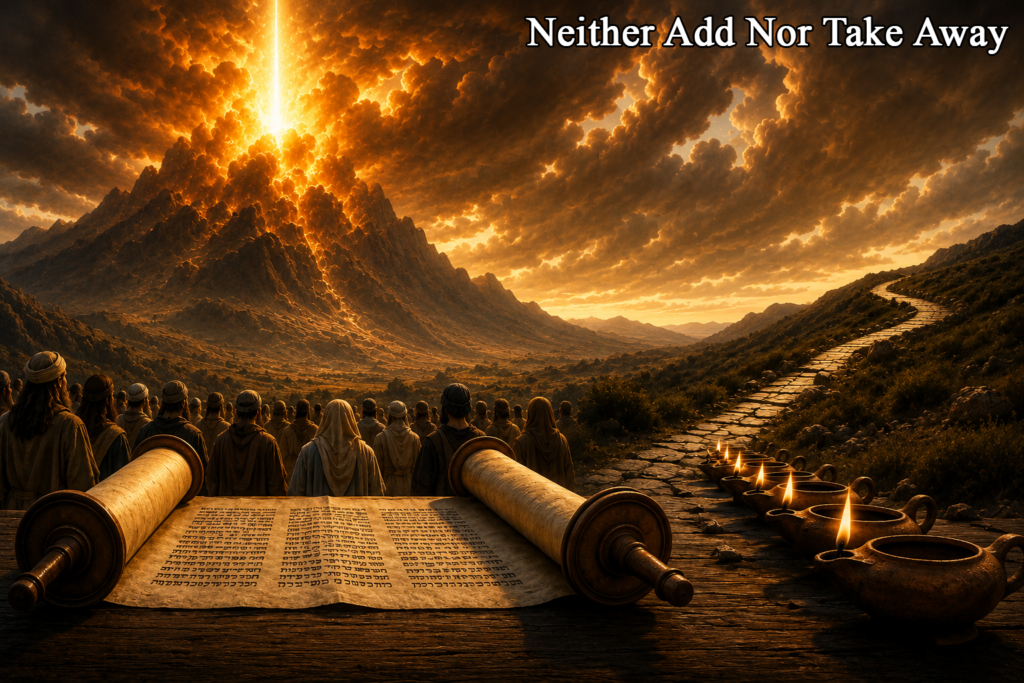
A statue can be recarved from a description. A voice with no form behind it is handed down whole or not at all. Moses’s fear here is not that anyone will attack the word—it is that every generation will improve it slightly, in good faith, until no one alive can measure the drift.

Parashat Va’etchanan Read More »

The Weight of Rome

Leave a Comment / Divergence / Eliyahu (נר הדרשן)

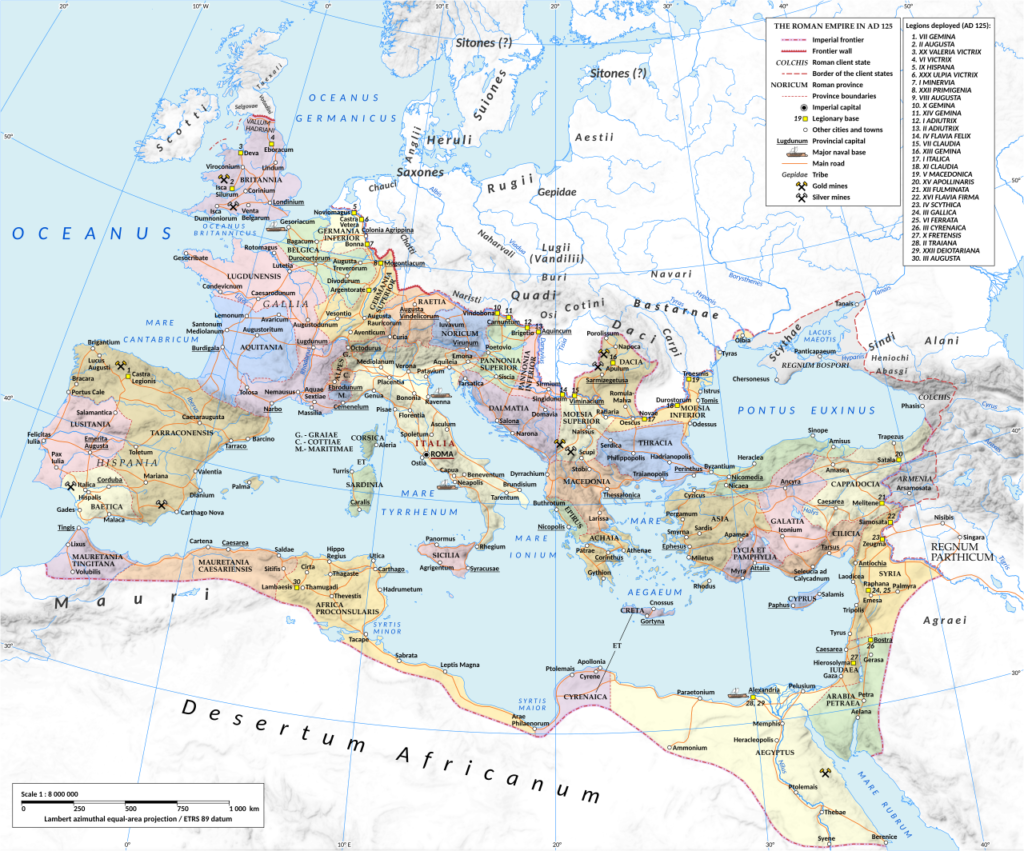
The story most people know begins with hostility. It does not. Julius Caesar extended specific legal protections to Jewish communities across the empire—synagogues, Sabbath exemptions, the Temple tax. Not affection toward an admired minority. Administration toward a useful one. What follows is not a contempt revealed. It is one constructed.

The Weight of Rome Read More »

New Wine, New Cloth

Leave a Comment / Under the Lectionary / Eliyahu (נר הדרשן)

The new wineskin is not a superior replacement for the old one. It is the vessel that formation has kept supple. And Luke preserves a line the other two drop: no one having drunk old wine immediately desires new, for he says the old is good. That line is not a concession.

New Wine, New Cloth Read More »

← Previous 1 2 3 4 … 14 Next →

About James Nerlinger

My spiritual path has been anything but linear. I began life in the Catholic tradition, but quickly grew curious about the many ways human beings have sought truth. That curiosity led me through the world’s great religions and philosophies, tracing their influence on cultures, history, and the human imagination. For a time, I became a devoted spiritualist, until I set those studies aside to live more fully in the world of man—only to find that world unsatisfying, and the deeper questions still calling me back.

I write under the name Eliyahu (נר הדרשן)—“Lamp of the Interpreter”—a reflection of my commitment to bridging traditions and illuminating sacred text through close reading, contemplative practice, and interfaith dialogue.

Today, my journey continues with a focus on Judaism, Torah, and Kabbalah, while remaining open to wisdom wherever it is found. Along the way, I’ve wrestled with Aristotle and Plato, listened to Solzhenitsyn and Nietzsche, studied the Zohar and the Rambam, and reflected on insights from Asian sages whose words still echo across centuries.

Many Lamps, One Flame is a place to share that ongoing exploration—a meeting ground for traditions, philosophies, and seekers. Not to offer final answers, but to kindle sparks: reflections meant to remind us that though the lamps may differ, the flame at their heart is the same.

Contact

Thoughts?  Comments?  Discussion?

eliyahu@manylampsoneflame.com

Buy Me a Coffee

Email

Copyright © 2026 Many Lamps, One Flame