Skip to content
newlogo t
  • Home
  • Reflections
  • Influences
  • Podcast
  • Thematic Guide
  • About
  • Calendar
Search
newlogo t
  • Home
  • Reflections
  • Influences
  • Podcast
  • Thematic Guide
  • About
  • Calendar

How He Taught

Leave a Comment / Under the Lectionary / Eliyahu (נר הדרשן)

Jesus told stories. That much everyone agrees on. What those stories were, what form they took, what argument they were making, and who they were aimed at—on those questions, two thousand years of reading have produced something bearing only passing resemblance to what was happening.
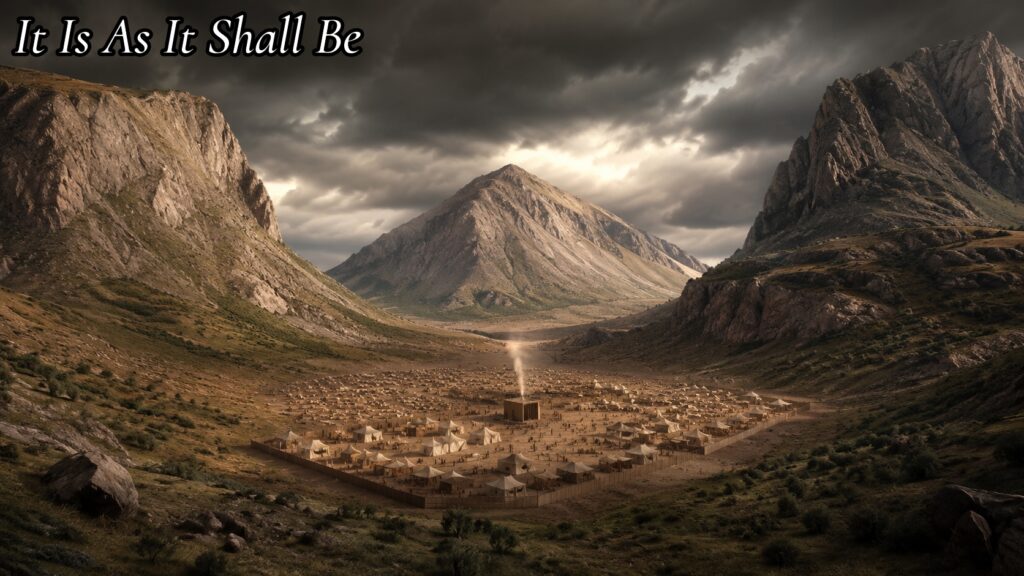
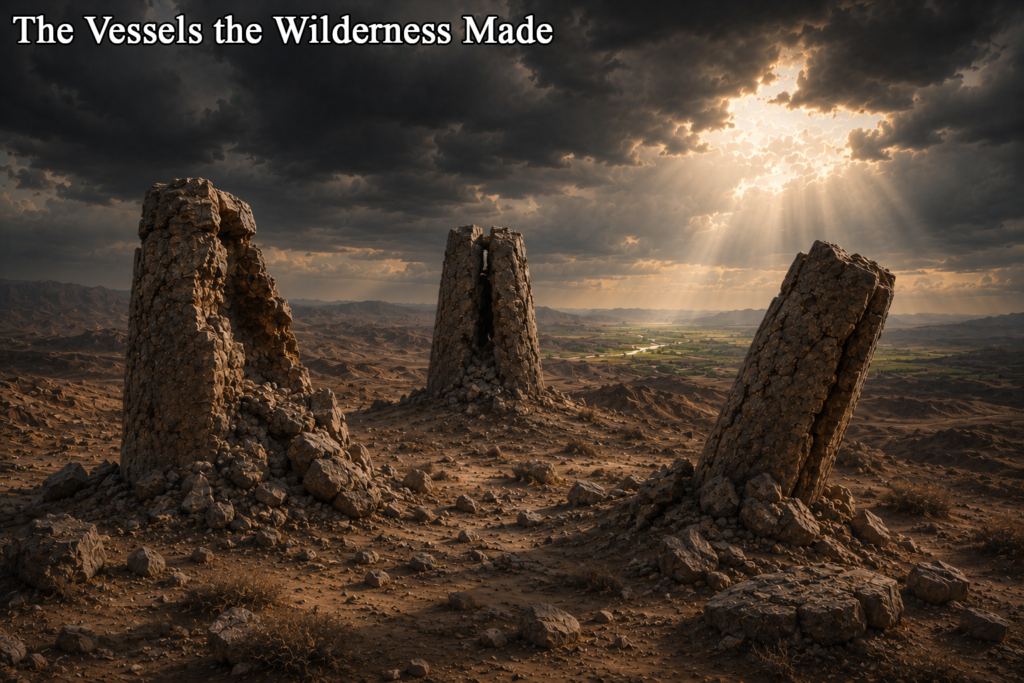
How He Taught Read More »

Parashat Balak

Leave a Comment / From the Scroll / Eliyahu (נר הדרשן)

Balak is not a fool and not a rebel. He hires a diviner who genuinely works, receives a blessing where he paid for a curse, and does the only thing his cosmology permits: he moves to another mountain. Then a third. His error operates below the level of defiance.

Parashat Balak Read More »

Parashat Chukat

Leave a Comment / From the Scroll / Eliyahu (נר הדרשן)

Miriam dies in verse one. In verse two the water is gone and the people are already assembled with the same complaint they have lodged a hundred times. No mourning interval, no grace extended. By the chapter’s end Aaron is dead on a mountain and Moses has struck a rock he was told to speak to.

Parashat Chukat Read More »

The Last Witness

Leave a Comment / From the Scroll / Eliyahu (נר הדרשן)

He clung to the Ark as the water rose, and Noah fed him through a hole bored in the hull. He sat in Abraham’s tent. He was alive when the sea split. Og of Bashan witnessed more of sacred history than any human being who ever lived, and none of it entered him.

The Last Witness Read More »

Parashat Korach

2 Comments / From the Scroll / Eliyahu (נר הדרשן)

The catastrophe begins with one of the truest sentences spoken in the wilderness. All the congregation are holy—Korach is not inventing a theology to stir the masses, he is quoting revelation back at its mediator. Moses cannot refute the argument, because the argument is correct.

Parashat Korach Read More »

Light from Light

Leave a Comment / Under the Lectionary / Eliyahu (נר הדרשן)

The council of 325 was trying to answer a genuine question. It answered with a political instrument—precise enough to be enforceable, blunt enough to bury what it was trying to protect. The nature miracles do not need Nicaea. They make their own argument, and it is the more interesting one.

Light from Light Read More »

Parashat Shelach Revisited

Leave a Comment / From the Scroll / Eliyahu (נר הדרשן)

A reminder you cannot see is not a reminder. Tzitzit carries two roots at once—blossom, and gazing-through. Kanaf is a wing before it is a corner. Beged shares its root with betrayal. Read for what the words actually say, the commandment describes something other than a garment tucked under a shirt.

Parashat Shelach Revisited Read More »

Parashat Shelach

Leave a Comment / From the Scroll / Eliyahu (נר הדרשן)

Twelve men see the same land and report the same facts. The cities are fortified. The Anakites are there. All twelve say so. The catastrophe that follows is not produced by false witness but by a conclusion—and the verb Torah uses for their mission returns at the end of the portion, describing how a soul drifts.

Parashat Shelach Read More »

The One Who Stayed

Leave a Comment / Under the Lectionary / Eliyahu (נר הדרשן)

Seven is not a quantity. Seven days and creation is complete. Seven branches on the menorah, seven weeks of the Omer, the seventh year when debts are released. When Luke reports that seven demons were cast out of Mary Magdalene, the number is a statement about how completely she had been overtaken.

The One Who Stayed Read More »

Parashat Beha’alotcha

Leave a Comment / From the Scroll / Eliyahu (נר הדרשן)

The Mishkan has no windows, and the menorah faces the wrong way. Its seven flames are turned inward—toward the curtain, toward a Presence that requires no lamp at all—rather than outward toward anyone who might need light. The orientation is not an accident of placement. It is the argument.

Parashat Beha’alotcha Read More »

← Previous 1 … 4 5 6 … 14 Next →

About James Nerlinger

My spiritual path has been anything but linear. I began life in the Catholic tradition, but quickly grew curious about the many ways human beings have sought truth. That curiosity led me through the world’s great religions and philosophies, tracing their influence on cultures, history, and the human imagination. For a time, I became a devoted spiritualist, until I set those studies aside to live more fully in the world of man—only to find that world unsatisfying, and the deeper questions still calling me back.

I write under the name Eliyahu (נר הדרשן)—“Lamp of the Interpreter”—a reflection of my commitment to bridging traditions and illuminating sacred text through close reading, contemplative practice, and interfaith dialogue.

Today, my journey continues with a focus on Judaism, Torah, and Kabbalah, while remaining open to wisdom wherever it is found. Along the way, I’ve wrestled with Aristotle and Plato, listened to Solzhenitsyn and Nietzsche, studied the Zohar and the Rambam, and reflected on insights from Asian sages whose words still echo across centuries.

Many Lamps, One Flame is a place to share that ongoing exploration—a meeting ground for traditions, philosophies, and seekers. Not to offer final answers, but to kindle sparks: reflections meant to remind us that though the lamps may differ, the flame at their heart is the same.

Contact

Thoughts?  Comments?  Discussion?

eliyahu@manylampsoneflame.com

Buy Me a Coffee

Email

Copyright © 2026 Many Lamps, One Flame